Guide to Maximize Cash Back on Everyday Spends

In a world where every penny counts, maximizing cash back on everyday spending can make a significant difference in your financial health. This guide will walk you through practical strategies to help you earn more from your daily purchases, ensuring you get the most out of every dollar spent.

Guide to Maximize Cash Back on Everyday Spends

Understanding Cash Back Programs

To effectively maximize cash back, the first step is understanding how these programs work. Many credit cards offer a percentage of cash back on purchases, but the rates and categories can vary. Whether it’s flat-rate cards offering a set percentage on all purchases or category-based cards with higher rates for specific spending, knowing the differences is crucial to maximizing your benefits.

Different types of cash back cards are designed to cater to various spending habits. Flat-rate cards provide a consistent cash back percentage on every transaction, making them ideal for those who prefer simplicity. Conversely, tiered cards offer higher percentages only on specific categories like dining or groceries, which can be advantageous if your expenses align with those categories. Understanding these distinctions can help you select the card that best fits your spending style, thereby optimizing your earnings.

Cash back rewards are often subject to caps or limits, meaning there’s a maximum amount you can earn within a certain timeframe or category. Therefore, it’s important to be aware of these limitations and tailor your spending accordingly. Regularly reviewing your spending patterns in tandem with your card’s reward structure can help you make adjustments as necessary to remain within caps and maximize your rewards effectively.

Choosing the Right Credit Card

The right credit card can significantly impact your cash back earnings. Look for cards that align with your spending habits, offering higher percentages in categories you frequently use, such as groceries or gas. Additionally, some cards provide initial bonuses for meeting spending requirements within the first few months, adding an extra boost to your cash back potential.

When selecting a credit card, it’s vital to consider the annual fee versus the rewards offered. Some no-fee cards provide substantial cash back, but cards with an annual fee often deliver higher rewards rates and additional perks. Calculating your potential earnings against the fee can help determine which option might yield better net benefits over the year. Reward-focused credit cards sometimes offer elite tier benefits which might not only bring financial gains but also convenience and comfort services.

Another point to consider is the ongoing promotions and partnerships that some credit cards offer. Certain cards might have collaborations with specific stores or service providers, offering bonus points or additional cash back for using the card there. By researching and keeping up to date with these promotions, you can maximize your cash back on purchases you were already planning to make. This might even lead you to discover new merchants who offer advantageous card-specific discounts.

Strategically Aligning Spending Habits

By adjusting your spending habits to match cash back categories, you can maximize your returns. For instance, if a card offers higher cash back on dining, consider using it specifically for restaurant bills. Planning larger purchases around quarterly rotating categories can also contribute to greater earnings.

Rotating category cards provide an interesting opportunity for strategic planning. These cards offer higher cash back rates in different categories each quarter, such as department stores or travel. Previous expenses should be analyzed to identify forthcoming planned purchases. Match these with a card’s upcoming reward categories to increase cash back. Keeping a calendar of category changes is another helpful strategy so you can time your purchases for peak rewards.

It’s equally important to ensure timely payment of your credit card bills, as the real benefits of cash back rewards are nullified if interest charges accumulate due to delayed payments. By managing your expenses and payments effectively, not only will you avoid unnecessary fees but also maintain a healthy credit score, which is instrumental in optimizing your cash back strategy long-term and accessing better credit card offers.

Utilizing Store and Online Platforms

Many retailers and online platforms offer additional cash back if you pay with certain credit cards or through specific apps. Staying updated on these offers can help you double dip—earning cash back both from the store and your credit card.

Online shopping portals and apps present a great means to increase your cash back. Before you shop, visit cash back websites or download apps that partner with various retailers. By initiating your shopping from these portals, you can earn extra cash back on top of what your card offers. Some of these platforms even provide browser extensions that automatically alert you to available savings anytime you shop online.

Loyalty programs from stores also often overlap with credit card rewards. Enroll in these programs where possible, as stacking the loyalty points with your card rewards can yield double benefits. Additionally, some loyalty schemes offer members exclusive deals or early access to sales, which can increase the potential for savings during large shopping events or peak holiday seasons.

For those who frequently order from online marketplaces, consider utilizing those sites’ own credit card options that might provide higher cash back percentages or more significant discounts than general card offers. Subscription services can greatly benefit from such affiliations since recurring payments stack over time. Couple these savings with cash back promotions on subscription renewals to optimize the rewarding potential of continuous services usages.

Tracking and Redeeming Cash Back

Keep a regular check on your cash back balance and understand the redemption options available. Whether it’s statement credits, gift cards, or deposits to your bank account, make sure you’re optimizing the redemption process to suit your financial goals.

Different cards offer various redemption methods, each carrying unique value propositions. To maximize your earnings, compare the worth of a cash back dollar as statement credit against using it for gift cards or travel through the card issuer’s rewards center. Sometimes converting points yields more value if redeemed for gifts or experiences that are on promotion or offer added bonification by the card issuer.

Monitoring your cash back utilizing financial tracking apps or the credit card’s app ensures that you don’t let rewards expire. Some issuers allow you to set up alerts when your rewards hit a certain threshold, prompting redemption or allowing you to consolidate funds when it aligns best with your financial plans. Consistently checking your balances and utilizing rewards promptly avoids facing potential expiration or devaluation over time.

A thorough understanding of redemption features is crucial as certain cards might impose limitations on minimal redemption amounts or require specific action steps to unlock special deals. Ensure you understand these stipulations to avoid missing out on maximized savings amid the conveniences offered by spontaneous, easily accessible redemption channels.

Maximize Your Savings Effortlessly

By leveraging the right credit cards, aligning spending habits, and staying vigilant on rotating offers, maximizing cash back on everyday spends becomes a rewarding practice. Not only do these strategies enhance your financial savings, but they also offer a sense of control over your spending power. Start applying these tips today to see a tangible boost in your savings.

9 Credit Card Points Strategies to Save Money on Flights

Booking flights doesn’t have to break the bank. With the right credit card points strategy, you can make flying more affordable and even enjoy some luxurious perks along the way. Whether you’re a seasoned traveler or planning your first trip, these strategies will help you make the most of your credit card points.
9 Credit Card Points Strategies to Save Money on Flights

1. Understanding How Points Work

Before diving into the various strategies for maximizing your credit card points, it’s essential to grasp the basics of how these points work. Credit card points operate as a form of currency for travelers, similar to traditional currency but specifically aimed at covering travel expenses. They can be earned by making purchases with a credit card that offers rewards, and these points are often redeemable for flights, hotel stays, and other travel-related expenses. According to NerdWallet’s Beginner’s Guide, these points can be thought of as another type of currency, comparable to miles or even foreign currencies.

Most travel credit cards have varying points systems that depend on each card provider’s partnership with airline and hotel groups. For example, airline-specific cards grant more points for purchases directly with the airline. However, general travel cards can offer broad flexibility since they accumulate points through all purchases, allowing for varied redemption options. It’s not just about earning points; it’s crucial to understand how to convert them into maximum value. Points are typically redeemed through the card issuer’s platform, often offering preferential value when used within their travel portals.

Navigating through points systems might initially seem daunting, but it becomes intuitive once you start exploring what different cards offer. For instance, some cards like the Chase Sapphire Preferred® Card even allow for point transfers to specific airlines or hotels for greater flexibility. Ultimately, understanding the type of points—whether airline miles, hotel points, or transferable points—can profoundly affect how you plan and save on your flights.

2. Choosing the Right Card for Travel

Selecting the right credit card can dramatically impact your ability to earn and redeem points effectively. Not all credit cards are created equal, particularly when it comes to travel rewards. According to Forbes’ Best Travel Credit Cards, cards like the Chase Sapphire Preferred® and Capital One Venture Rewards are consistently mentioned for their high return on points based on purchases related to travel. These cards often include perks such as sign-up bonuses or automatic loyalty program status, which can accelerate your point accumulation.

Travel cards broadly fall into specialized airline or hotel cards, or more flexible cards that provide points on general purchases. For frequent flyers, an airline card might be preferable due to higher earning rates on ticket purchases and benefits such as free checked bags or priority boarding. Hotel cards offer similar advantages and may include perks like free nights or room upgrades. Consider whether you fly predominantly with one airline or prefer a chain of hotels when making your decision.

If flexibility is your primary concern, though, opt for cards that allow for point transfers to a network of partners. These cards not only give you the freedom to choose from a variety of airlines and hotels but also enable you to leverage the point values through transfer bonuses during special promotions. Understanding your travel habits and long-term goals are central to making the best choice for you.

3. Timing Your Purchases

Timing plays a crucial role in accumulating and redeeming credit card points effectively. Point promotions and bonus categories matter significantly in this strategy. You can maximize earnings by aligning your spending with the card’s rotating bonus categories or during seasonal promotions where points are amplified. Keeping an eye on these opportunities can yield substantial rewards.

Many cards offer increased points on specific categories like dining, travel, or groceries at different times of the year. For example, a card might offer 5X points on travel purchases in the summer months or dining during the holiday season. Also, some cards feature quarterly rotating categories where you can earn higher points rates in those selected categories. Keeping a close track of when these periods occur ensures you’re making your highest expenses during that time.

Another essential element is understanding when to use your points for redemption. Airlines often have off-peak windows, typically offering lower redemption costs in terms of miles or points. By aligning your travel during these periods, you could spend significantly fewer points. Regularly checking airlines’ rewards calendars can offer insights into when points go the farthest.

4. Leveraging Introductory Offers

Introductory offers are a goldmine for accumulating a significant number of points quickly. These offers typically require you to spend a certain amount within the first few months of opening the card. For instance, many cards provide substantial bonuses, sometimes as high as 100,000 points, which can immediately cover one or more free flights. Comparing the top travel credit card offers can direct you toward the best options.

When seeking such offers, carefully review the spending requirement timelines and consider if your standard expenses can meet them without stress. It’s vital to avoid overspending for the sake of the bonus as this can negate the intended benefits. Introductory offers also sometimes include waiver of fees, adding further value for the first year of card usage. This double benefit makes such offers particularly attractive to new applicants.

5. Utilizing Travel Partners and Alliances

Travel partners play a crucial role in enhancing the value of your credit card points. By booking flights through airline alliances, you can gain access to a broader network of routes and potentially earn more points. As NerdWallet explains, alliances like Star Alliance and Oneworld connect multiple airlines, allowing points to be redeemed across several carriers. This versatility ensures you’re not limited to a single airline when planning your flights.

Furthermore, understanding the value of points when transferred to partners is essential. Some credit cards allow you to transfer your points to an airline’s frequent flyer program at favorable exchange rates. These transfers often include bonuses or special promotions that increase the value of your points. By keeping tabs on such offers, you can unlock more flights or upgrade your travel class for a fraction of what it might cost without these alliances.

6. Booking During Promotions

Frequent promotions hosted by airlines or credit card issuers can provide excellent opportunities for savvy travelers looking to save points. During these periods, airlines often give more mileage value when booking specific routes or offer heavily discounted flights. Staying updated on these promotions involves a bit of strategy but can lead to massive savings.

Promotions are generally time-sensitive and heavily booked; therefore, understanding the dynamics of these offers and acting quickly is vital. Websites and newsletters from airlines provide regular updates on ongoing and upcoming promotions. By subscribing, you ensure you’re among the first to know about these deals. Points redemption values can effectively double during such offers, allowing you to visit destinations at minimal points costs.

7. Combining Points with Cash

Not all travel costs can be covered by points alone, which is where combining points with cash becomes a practical solution. When points fall short, many travel programs allow for a blend of points and cash to book a ticket. This mixed payment option ensures you’re still getting some benefits from your points while reducing out-of-pocket expenses.

Using points wisely involves determining the best ratio of points and cash, which requires vigilance about real-time point evaluations for optimal value. Most travel portals provide an option to view costs in both cash and points, making it easier to decide the mix based on current rates. This flexibility ensures that you can still afford the trips without depleting your point reserves entirely.

8. Monitoring Your Point Balance

Keeping track of your point balance and staying informed about expiration dates can preserve the value of your earned rewards. Regularly monitoring your account helps avoid surprises such as point expirations, which are a common setback many travelers face. Different cards have varying policies on point validity, so understanding the lifespan of your points is crucial.

Many card issuers offer online tools or mobile apps to help manage your points. These tools can send alerts for point expiry, keeping you informed and allowing you to use expiring points before they lose value. Additionally, ensuring your contact information is up-to-date with your card issuer ensures you receive all notifications and promotional emails promptly.

9. Staying Updated with Best Practices

The travel industry is dynamically evolving, and staying updated with best practices in credit card points management is vital for maximizing benefits. Engaging with online communities, following travel blogs, or subscribing to newsletters from your card provider can provide news about industry changes and point system updates.

Notably, point valuation can fluctuate based on economic conditions and airline policies. Being flexible and informed allows you to adjust strategies swiftly, aligning with the best opportunities for redeeming your points effectively. A proactive approach to learning and incorporating new strategies positions you to capitalize on the best possible rewards on your journeys.

Free Itinerary For United Arab Emirates | Maldives Vacation

Free Itinerary For United Arab Emirates | Maldives Vacation

Day 1-4: United Arab Emirates

Day 1: Arrival in Dubai, UAE

  • Arrive in Dubai International Airport (DXB).
  • Check-in at Burj Al Arab Jumeirah or Atlantis, The Palm for luxury accommodations.
  • Evening: Explore the Dubai Marina and take a dinner cruise for breathtaking city views.

Day 2: Dubai City Tour

  • Morning: Visit the Burj Khalifa, the tallest building in the world.
  • Afternoon: Tour the Dubai Mall and Dubai Aquarium & Underwater Zoo.
  • Evening: Enjoy the Dubai Fountain Show.

Day 3: Desert Safari Adventure

  • Morning: Relax at the hotel or visit the Jumeirah Beach.
  • Afternoon to evening: Go on a desert safari with dune bashing, camel rides, and a traditional Bedouin dinner under the stars.

Day 4: Abu Dhabi Day Trip

  • Morning: Drive to Abu Dhabi and visit the Sheikh Zayed Grand Mosque.
  • Afternoon: Explore Louvre Abu Dhabi.
  • Evening: Return to Dubai and dine at a traditional Emirati restaurant.

Day 5-10: Maldives

Free Itinerary For United Arab Emirates | Maldives Vacation

Day 5: Fly to Maldives

  • Morning: Depart from Dubai to Malé, Maldives (4-hour flight).
  • Check-in at Soneva Jani, One&Only Reethi Rah, or Anantara Veli Maldives Resort for beachfront luxury.
  • Evening: Enjoy a sunset dinner on the beach.

Day 6: Island Exploration and Relaxation

  • Morning: Snorkel or scuba dive to explore the vibrant coral reefs.
  • Afternoon: Relax at the resort with spa treatments or lounge by the pool.
  • Evening: Attend a cultural Maldivian show at the resort.

Day 7: Private Sandbank Picnic

  • Morning: Take a private boat to a secluded sandbank for a picnic and swimming.
  • Afternoon: Return to the resort for paddleboarding or kayaking.

Day 8: Visit Malé City

  • Morning: Tour Malé, the capital city, to visit landmarks like the Hukuru Miskiy (Old Friday Mosque) and Malé Fish Market.
  • Afternoon: Return to the resort for more relaxation.
  • Evening: Fine dining at the Ithaa Undersea Restaurant.

Day 9: Water Adventures

  • Spend the day experiencing water activities such as jet-skiing, parasailing, or sailing excursions.

Day 10: Departure

  • Morning: Enjoy a farewell breakfast overlooking the ocean.
  • Afternoon: Check out and fly from Malé back to the USA.

Recommended Hotels:

UAE:

  • Burj Al Arab Jumeirah – Iconic luxury, excellent for premium amenities.
  • Atlantis, The Palm – Ideal for families and those looking for entertainment.

Maldives:

  • Soneva Jani – Known for its overwater villas and exceptional service.
  • One&Only Reethi Rah – Offers privacy, pristine beaches, and extensive dining options.
  • Anantara Veli Maldives Resort – Perfect for couples, featuring romantic villas and seclusion.

Key Sightseeing Highlights:

UAE:

  • Burj Khalifa
  • Sheikh Zayed Grand Mosque
  • Dubai Marina
  • Dubai Mall & Fountain
  • Desert Safari Experience

Maldives:

  • Snorkeling and Coral Reefs
  • Private Sandbanks
  • Malé City Tour
  • Underwater Dining Experiences
  • Water Sports Adventures

Enjoy a perfect blend of city excitement and island tranquility on this 10-day journey! Use this plan, or try one of our travel partners.

10 Mistakes to Avoid When Using Credit Cards With Points

Navigating the world of credit cards with points can be exciting and rewarding, but it’s easy to make a few common missteps along the way without even realizing it. This guide covers essential mistakes to avoid to ensure you’re getting the most value out of your credit card rewards program without falling into common pitfalls.

Person Holding a Credit Card Card

1. Ignoring Annual Fees

Annual fees are often overlooked when choosing a credit card, but they can significantly impact the overall value you’re getting from your rewards program. It’s essential to start by evaluating whether the benefits and rewards outweigh the cost of the fee. Some cards offer perks that justify a higher annual fee, such as lounge access or travel credits. However, if you seldom use these extras, it might be wise to opt for a card with lower or no annual fee. This approach ensures that the cost doesn’t eclipse the value of the points you earn and redeem over time.

Many consumers end up paying more in fees than they gain in rewards simply because they didn’t fully consider their spending habits. Knowing your spending patterns can guide you in selecting a card that offers benefits fitting your lifestyle. For instance, if you rarely travel, a travel-focused credit card with high fees might not be the best choice. Instead, a cash-back card could offer more tangible benefits. This personalized assessment helps in maximizing your credit card’s potential without unnecessary additional costs.

2. Overlooking Terms and Conditions

Every credit card comes with its own set of terms and conditions, and while they might appear tedious to read, they hold critical information about your rewards. The terms and conditions define how you earn, use, and maintain your points or miles. For instance, some cards may allow you to accumulate points more quickly for certain types of purchases, while others might impose restrictions on redemption methods. The clearer you are on these details, the more strategically you can use your card to maximize benefits.

Failure to comprehend terms can lead to unexpected surprises, such as black-out dates for travel, caps on the number of points you can earn, or even fees for redeeming rewards. Additionally, understanding the clauses about liability for fraudulent charges or changes in reward structures is essential. While reading these terms might seem time-consuming initially, doing so can prevent future complications and ensure that you’re making informed decisions and taking full advantage of your card’s offerings.

3. Missing Out on Signup Bonuses

Signup bonuses are one of the most attractive features of credit cards with points, offering substantial rewards within a short period. However, to receive these bonuses, you usually need to spend a specific amount within the first few months. It’s crucial to plan your spending to meet these requirements without straining your finances. Many forget to strategize this, missing out on potential bonus rewards that could amplify their benefit significantly.

A strategic approach could mean timing purchases you’ve already planned to coincide with signing up for the card, ensuring you hit the spending threshold seamlessly. It’s also vital to track when your signup period ends to avoid a last-minute scramble or the disappointment of falling short. When coveted effectively, a signup bonus can offer a significant boost to your reward points stash, aiding wider use and greater financial returns.

4. Not Paying the Full Balance

Balancing credit card use involves making sure you pay off the full balance each month. Falling into the trap of carrying a balance month to month could result in hefty interest charges, which may considerably offset any rewards earned. Essentially, if your interest exceeds the value of your accumulated points, you aren’t truly reaping the advantages of your rewards program.

To avoid this, it’s imperative to only charge what you can afford to clear at the end of the bill cycle. Setting up automatic payments can help ensure you never miss a payment, preserving your points’ full value. Practicing disciplined spending not only enhances your financial health but also allows you to truly relish the benefits of your credit card rewards, turning everyday purchases into gains.

5. Focusing Solely on Points

While it’s exciting to accumulate points, it’s essential not to overlook the other valuable benefits your credit card may offer. From purchase protection to extended warranties, travel insurance to fraud alerts, these additional features can often deliver more immediate and tangible value than points alone. For instance, the peace of mind knowing you’re covered during unexpected travel disruptions or that your new electronics have an extended warranty can outweigh potential point redemptions.

Exploring and utilizing these benefits can enhance your overall credit card experience. Cards that offer travel insurance, for example, can save you money and hassle in case of trip cancellations or medical emergencies abroad. Meanwhile, purchase protection can allow you to shop confidently, knowing you’re guarded against theft or damage. Remember, points are just one facet of your credit card’s offerings.

6. Using Points Inefficiently

Being strategic about how you use your points can make a significant difference in the value you receive. Points can often be redeemed for different types of rewards like travel, gift cards, or cash back, but not all redemptions yield the same value. For instance, points redeemed for travel could offer more value per point than using them for gift cards at the same rate. Analyzing which redemption option gives you the most advantageous return is vital to maximizing your rewards.

Additionally, consider timing your redemptions strategically. Frequent flyers, for example, might wait for promotional periods where points required for flights decrease, thus maximizing their benefits. Similarly, some retailers offer point bonuses during certain time periods, which can be beneficial if aligned with your spending habits. It’s all about planning to ensure each point gets you the best possible value, making your credit card work harder for you.

7. Neglecting Reward Expiry Dates

Keeping track of when your points are set to expire is crucial in making sure they don’t go to waste. It’s disheartening to accumulate points, envisioning grand travel plans or significant savings, only to find they’ve expired. Most programs have expiration policies, which means if your account is inactive for a certain period, or once points reach a certain age, they may disappear. Regularly updating yourself on your points’ status ensures you don’t miss out.

Creating a routine check-in on your rewards account can be a preventative measure. Consider setting reminders or alerts on your phone to be notified of impending expirations. Some cards offer email notifications about upcoming expirations, so opt-in if available. Remember, it’s not just about earning points but also about making sure they work for you when the time is right. Staying vigilant can protect your bottom line and sustain your rewards journey.

8. Ignoring Cash Back Options

While points and miles have their allure, many overlook the simplicity and flexibility of cash back options. Cash back offers tangible value, allowing you to use it for anything — be it saving for a large purchase or offsetting monthly expenses. For many consumers, cash back provides a straightforward and gratifying reward structure, enabling immediate financial benefits compared to compiling points for specific redemptions.

Cash back can serve as a more direct way to enhance your purchasing power. The addition of cash back into your arsenal of benefits can diversify how you approach rewards and might suit those preferring immediate returns over future travel perks. By leveraging cash back, you could spread benefits across various financial needs, offering a balanced approach to credit card rewards.

9. Getting Multiple Cards Unnecessarily

Amassing multiple credit cards in pursuit of points can create more complications than benefits for some users. While having several cards can allow you to capitalize on varied rewards categories, juggling multiple cards can lead to financial disorganization, increased fees, and potential harm to your credit score if mismanaged. It’s essential to critically assess if more cards genuinely amplify your benefits.

The key is to identify and hold cards that align with your personal spending and lifestyle needs — quality often trumps quantity in this domain. A comprehensive approach might include choosing a primary card for everyday purchases, supplemented by a secondary card catering to specific interests like travel or dining out. By focusing on chosen cards that deliver the most value based on your financial habits, you can streamline your budget and optimize reward potentials without unnecessary complexity.

10. Forgetting to Track Spend Categories

Each credit card may categorize purchases differently, offering varied rewards based on where you spend. Not tracking these categories can mean missing out on bonus point opportunities tailored to your regular spending. For instance, a card offering higher points for dining or fuel-related transactions would be optimized by aligning your expenditures with those categories. It’s rewarding to check how your typical purchases match with the card’s bonus offerings.

Utilize tools like budgeting apps or simple spreadsheet tracking to monitor spending categories and identify which card should be used when. By doing so, you increase your chance of accumulating more points faster, simply by being mindful of where and how you’re spending. Smart use of spend categories feeds your points balance, optimizing your card’s potential and ultimately enhancing the total value of the rewards you earn.

Unlocking Hidden Travel Deals with Your Credit Card Points

Traveling doesn’t have to break the bank. If you’ve been accumulating credit card points, you’re sitting on a goldmine of travel opportunities. Many people overlook the potential that these points hold. This blog will guide you on how to unlock hidden travel deals and save on your next adventure by maximizing the use of your credit card points.

Scenic View of a Terrace Plantation

Understanding How Credit Card Points Work

Before diving into the deals, it’s crucial to understand how credit card points systems work. Each card has its own set of rules regarding earning, redeeming, and transferring points. Grasping these basics will set the foundation for making the most of your travel rewards. Essentially, when using your card for purchases, you collect points that can be redeemed for flights, hotel stays, and more. Often, credit cards offer bonus points for travel-related purchases or specific categories, allowing you to amass points faster. Researching the specific terms for each card can help tailor your spending habits to align with your travel goals.

Often, the real value of credit card points comes from strategic redemptions. According to NerdWallet, most points don’t have a fixed monetary value and vary based on how you redeem them. For instance, using points on peak travel dates may yield lower value than opting for off-peak opportunities. Learning how various programs work is important to ensure you maximize your benefits. One effective approach is redeeming points through partners, as suggested by Business Insider, which often allows for greater value in flights and accommodations.

Identifying the Best Credit Cards for Travel Rewards

Not all credit cards are created equal when it comes to travel rewards. Some offer higher points for travel-related purchases, while others might provide bonuses or access to exclusive deals. Knowing which cards offer the best rewards can significantly enhance your points-earning potential. To start identifying potential cards, consider exploring options within the Travel Credit Cards Archives at We Do Points.com.

Travel-focused cards often come with lucrative sign-up bonuses that can jumpstart your points cache. According to Business Insider, earning credit card welcome bonuses is one of the quickest ways to accumulate large point balances. These bonuses usually require meeting certain spending thresholds within the first few months. It’s worth noting that the selection of a card should align with your spending habits and travel preferences. Cards that align closely with your lifestyle will naturally build up points more efficiently.

It’s also beneficial to consider the flexibility of points transfer. For instance, certain cards allow transferring points to multiple airline and hotel programs, offering more options when booking travel. For a guide on starting with travel hacking and selecting the right credit card, visit Bankrate.

Before deciding, take a moment to consider how each card’s points can be used. Cards like the Chase Sapphire Preferred offer diverse point redemption possibilities, which might be appealing if you prioritize flexibility in your travel plans. Comparatively, cards focused on specific airline or hotel partners might offer more value if you often travel with those companies.

Strategies to Maximize Points Accumulation

To unlock substantial travel deals, you’ll need to maximize your points accumulation. This can be done by strategically using your card for everyday purchases, taking advantage of bonus categories, or even referring friends. Implementing these strategies will ensure you have ample points when it’s time to travel. It’s about making mindful choices to build your points boldly without altering daily spending drastically.

For every seasoned traveler, mastering the art of travel credit cards is crucial. Focusing on everyday spending can yield high rewards over time. Regular usage of shopping portals can increase point earnings even further, as highlighted by Bankrate. These portals allow additional points accumulation on top of those earned from card usage. They provide access to a wide range of retailers, and using these could translate your regular online shopping into a significant boost in your rewards pool.

Redeeming Points for Flights and Accommodations

Once you’ve accumulated a healthy amount of points, it’s time to redeem them for flights and accommodations. Learn to navigate the reward portals of airlines and hotels and uncover exclusive deals that can make your travel more affordable. Many points experts suggest exploiting timing strategies to secure the best deals. For instance, booking when award calendars open or looking for last-minute opportunities can sometimes yield cheaper rates.

Different airlines and hotel chains have varying systems for point redemption, so the value you get from your points can fluctuate. Being familiar with these differences can help you navigate them effectively. For example, the cost in points for a flight or hotel stay may differ based on seasonality, demand, and loyalty program rules.

Moreover, opting to redeem points through airline or hotel partners can offer greater flexibility and better value. This is advocated by Business Insider as partners often offer more flights or rooms than the card’s direct redemption portal. Staying updated with the latest redemption strategies through resources like Two Dusty Travelers ensures you make informed choices and maximize your rewards.

Leveraging Partnerships and Promotions

Many credit cards have partnerships with airlines, hotel chains, or travel agencies. By staying informed about ongoing promotions, you can take advantage of these relationships to unlock even better travel deals, stretching your points further than ever. These can be especially fruitful during travel seasons or special promotional periods when companies launch campaigns to boost customer loyalty through enhanced rewards.

Additionally, consider exploring the News Archives at We Do Points.com, which may provide insights into the latest credit card deals and travel loyalty promotions. Staying updated with such information ensures you don’t miss out on any advantageous opportunities.

Start Exploring the World with Your Points

By wisely using your credit card points, you can uncover travel deals that make your dream trips more affordable and accessible. Whether it’s through partnerships with airlines, hotels, or travel portals, these points can significantly reduce your travel expenses. Start exploring your credit card benefits today and unlock a world brimming with travel possibilities.

The Ultimate Guide to Travel Rewards: Which Credit Cards Offer the Best Perks?

american express points
 Travel Rewards

Which Credit Cards Offer the Best Perks?

The Ultimate Guide to Travel Rewards: Which Credit Cards Offer the Best Perks? saving on expenses and offering flexibility. This guide will explore the top cards for travel rewards, breaking down their benefits, bonuses, and reward structures to help you make the best choice.

Why Choose a Credit Card with Travel Rewards?

Travel rewards credit cards bring perks tailored to frequent travelers, including sign-up bonuses, points or miles on various purchases, and exclusive access to amenities like airport lounges. These rewards can add up quickly, allowing you to redeem them for free flights, stays, or travel experiences, making travel more affordable and enjoyable.

Top Credit Cards for Travel Rewards in 2024

Below, we cover some of the best travel rewards credit cards this year. Each one has unique features to suit different types of travelers, from luxury-seekers to budget-conscious explorers.

1. Chase Sapphire Preferred® Card

Chase Sapphire Preferred® Card

Why It’s Great for Travel Rewards:

  • Bonus Points on Travel and Dining: Chase Sapphire Preferred offers 3x points on dining and 2x points on travel, along with a substantial sign-up bonus. For frequent diners, these points accumulate rapidly and translate directly into travel benefits.
  • Flexible Redemption Options: Points can be redeemed through Chase’s Ultimate Rewards portal, with options to transfer points to airline and hotel partners, making this card versatile for various travel styles.
  • No Foreign Transaction Fees: The card is widely accepted internationally, which helps travelers avoid foreign transaction fees abroad.

Who Should Get It: Ideal for travelers wanting versatile rewards, high points on dining and travel, and a low annual fee.

2. American Express® Gold Card

American Express® Gold Card

Why It’s Great for Travel Rewards:

  • High Points on Dining and Supermarkets: With 4x points at restaurants and U.S. supermarkets (up to $25,000 annually), the American Express Gold Card caters to travelers who enjoy dining experiences both domestically and abroad.
  • Travel Credits and Perks: This card includes a monthly Uber Cash credit, airline fee credits, and access to Amex Offers, which can discount popular travel expenses.
  • Transfer Partners: Amex offers a broad range of travel transfer partners, including Delta, which is beneficial for those loyal to affiliated airlines.

Who Should Get It: Best for frequent travelers who value dining rewards and maximizing points at supermarkets.

3. Capital One Venture Rewards Credit Card

Capital One Venture Rewards Credit Card

Why It’s Great for Travel Rewards:

  • Easy-to-Use Redemption System: This card offers 2x miles on all purchases, providing simplicity in accumulating points across all spending.
  • Flexible Redemption: Miles can be redeemed for a variety of travel purchases, from flights to hotels, adding convenience for travelers who prefer options.
  • Global Acceptance and No Foreign Transaction Fees: Accepted worldwide, and with no foreign transaction fees, this card is solid for international travel.

Who Should Get It: A great choice for travelers who want a straightforward rewards structure and flexible redemption options across travel categories.

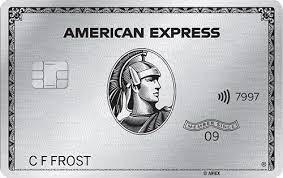
4. The Platinum Card® from American Express

The Platinum Card® from American Express

Why It’s Great for Travel Rewards:

  • Luxury Travel Perks: With access to over 1,200 airport lounges worldwide, hotel upgrades, and premium travel credits, this card caters to luxury travelers.
  • High Points on Flights and Hotels: It offers 5x points on flights booked directly with airlines or Amex Travel, plus points on prepaid hotels, making it valuable for booking top-tier travel experiences.
  • Comprehensive Travel Credits: Credits like Uber, airline fees, and Saks Fifth Avenue make it attractive for travelers who frequently use these services.

Who Should Get It: Frequent luxury travelers who value premium perks and exclusive access will find this card worth the high annual fee.

5. Bank of America® Travel Rewards Credit Card

Bank of America® Travel Rewards Credit Card

Why It’s Great for Travel Rewards:

  • No Annual Fee: For those seeking travel rewards without an annual fee, this card offers 1.5x points on every purchase, making it easy to build points at no extra cost.
  • Simple Redemption: Points can be redeemed as statement credits for travel purchases, covering a wide variety of expenses.
  • Preferred Rewards Program: Bank of America’s Preferred Rewards program boosts points for its members, adding value for those who bank with them.

Who Should Get It: Ideal for budget-conscious travelers who want travel rewards without an annual fee.

How to Choose the Right Travel Rewards Card for Your Needs

Choosing the best travel rewards card depends on several factors, including your spending habits, loyalty to specific brands, and how often you travel. Here are a few considerations to keep in mind:

  • Analyze Spending Patterns: For high dining and travel spending, cards like Chase Sapphire Preferred and Amex Gold offer substantial points. A card with points across all purchases, like Capital One Venture Rewards, might suit more varied spending habits.
  • Evaluate Redemption Flexibility: Cards such as Chase Sapphire Preferred allow points to be transferred to a wide variety of airlines or hotels, making them a versatile choice for those not loyal to one brand.
  • Assess Added Perks: Lounge access, travel credits, and no foreign transaction fees can enhance the travel experience. Cards like the Amex Platinum offer luxury perks, which can be worth the annual fee for frequent travelers.
  • Compare Annual Fees and Benefits: Some travel rewards cards have high annual fees, but the benefits often make up for this cost. Calculate the rewards and perks in light of your annual travel needs to find the best balance.

Tips for Maximizing Your Travel Rewards Card

To get the most out of a travel rewards card, use it strategically:

  • Focus Spending in Bonus Categories: Concentrate your spending on categories that earn bonus points, such as dining or travel.
  • Combine with Loyalty Programs: Some cards increase rewards if you’re enrolled in loyalty programs with their travel partners. Registering with frequent flyer and hotel loyalty programs can increase your rewards.
  • Monitor Promotions: Many cards offer limited-time promotions or seasonal bonuses, especially around holidays or peak travel periods, that offer extra points or discounts.

Final Thoughts on Travel Rewards Credit Cards

Choosing a travel rewards card can unlock a world of free flights, hotel stays, and exclusive experiences that elevate your journey. Whether you’re a luxury traveler seeking premium perks or a budget explorer looking for no-fee options, there’s a travel rewards card suited to your needs.

By understanding the potential of travel rewards, your credit card can become more than a payment tool—it becomes a strategic way to enhance and simplify your travel.

Why the Chase Sapphire Preferred Card is a Must

Introduction

The Chase Sapphire Preferred card is often celebrated as one of the best travel credit cards available today. It’s packed with features that appeal to frequent travelers and rewards newcomers alike. Whether you’re dreaming of international adventures, exploring new cities, or looking to make the most of everyday spending, this card can significantly enhance your travel rewards and savings.


1. Unmatched Points on Travel and Dining

The first advantage of the Chase Sapphire Preferred card is its competitive points earning structure:

  • Earn 3X points on dining (including eligible takeout and delivery services), which means every dinner out or coffee run brings you closer to your next vacation.
  • Earn 2X points on travel for bookings like flights, hotels, and car rentals. This allows you to accumulate points faster on every adventure.

With the value of Ultimate Rewards points, this card makes it easy to turn ordinary expenses into extraordinary travel experiences.


2. Lucrative Sign-Up Bonus

For those just getting started, the Chase Sapphire Preferred card’s generous sign-up bonus can be a game-changer. Currently, the card offers a 60,000-point sign-up bonus after spending $4,000 in the first three months.

Why This Matters: The sign-up bonus alone can help you cover flights, accommodations, or other travel expenses, letting you redeem your rewards sooner than later. Plus, if you use your points through Chase’s Ultimate Rewards portal, they’re worth 25% more, making this bonus a tremendous starting value for travel enthusiasts.


3. Flexible Redemption Options

Chase Ultimate Rewards points are well-regarded for their flexibility and ease of use:

  • Travel Portal: Book flights, hotels, car rentals, and even activities directly through the Chase travel portal, where points are worth 1.25 cents each.
  • Transfer Partners: With over 10 airline and hotel partners, including United, Southwest, Marriott, and Hyatt, you can maximize your points by transferring them to a partner loyalty program, often getting more value than a straightforward cash redemption.

This flexibility allows you to strategically choose the best redemption option for each trip.


4. Travel and Purchase Protection Benefits

A standout feature of the Chase Sapphire Preferred card is its travel and purchase protection benefits. These benefits bring peace of mind, ensuring that you’re covered in case of unforeseen events:

  • Trip Cancellation/Interruption Insurance: Coverage of up to $10,000 per person if your trip is canceled or interrupted due to covered reasons like illness or severe weather.
  • Primary Rental Car Insurance: Skip the extra coverage at the rental desk; Chase Sapphire Preferred offers primary rental car insurance in case of accidents or theft.
  • Lost Luggage Reimbursement: Coverage for lost or damaged luggage.

This suite of protections provides value for anyone booking travel with the card, adding extra layers of safety and convenience.


5. Low Annual Fee for Premium Benefits

While many travel cards offer comparable benefits, they often come with high annual fees. The Chase Sapphire Preferred card, however, charges only a $95 annual fee, making it an affordable option for anyone seeking premium travel rewards.

This low cost for extensive rewards and benefits makes it ideal for travelers of all types.


Why Everyone Should Consider the Chase Sapphire Preferred Card

If travel is a part of your life – or if it’s something you aspire to do more often – having a Chase Sapphire Preferred card can unlock a world of affordable travel opportunities. Here’s why:

  1. Accelerate Your Savings on Travel: Earn points on day-to-day expenses, and redeem them for flights, hotels, or experiences.
  2. Maximize Everyday Spending: Turn routine spending like dining and commuting into tangible travel rewards.
  3. Access to Transfer Partners: Diversify your options by redeeming points with top travel loyalty programs.
  4. Solid Travel Protection: Enjoy your travels with less worry, knowing you have valuable insurance coverage.
  5. Affordable Premium Access: For an annual fee of only $95, you gain access to perks typically found on higher-cost cards.

Final Thoughts

The Chase Sapphire Preferred card is designed to bring you closer to your travel dreams, whether you’re an occasional vacationer or a frequent flyer. Its generous rewards, low cost, and premium benefits make it an essential tool for maximizing travel and financial value.

Let me know if you’d like to add more specific examples, such as redemption strategies or how to make the most of each reward category!

Choosing the Top Cards for Dining Benefits

Dining out can be a delightful experience, especially when you have the right credit card to maximize your benefits. But with so many options available, how do you choose the best one for dining rewards? This guide will walk you through the process, making it easy and enjoyable.
Making a Payment With a Debit Card

Understand Your Dining Habits

Before exploring credit cards, consider how often you dine out and the types of restaurants you frequent. Do you prefer fine dining, casual dinners, or quick bites on the go? Understanding your dining habits and preferences will help you identify the features that will best suit your needs. For instance, if you love trying out new restaurants and cuisines, a card that offers extra rewards on dining could be incredibly beneficial.

Reflect on whether you usually dine out with family, friends, or for business purposes, as this might influence the type of rewards you seek. For frequent family dinners, a card offering comprehensive cashback on dining and groceries could serve as the ultimate dual-purpose tool. Understanding your dining patterns also includes knowing which categories of restaurants you visit most. Many cards offer variable rewards depending on the establishment’s classification, making this insight vital for maximum earning potential. As you pinpoint these habits, you’ll be better prepared to make informed decisions regarding which cards offer the most aligned rewards.

Explore Card Rewards and Benefits

Look for cards that offer rewards specific to dining, such as cashback, points, or discounts. Some cards, like the American Express Gold Card, offer impressive points for dining both at restaurants and supermarkets, making them an excellent choice for food enthusiasts. Also, cards like the Chase Sapphire Preferred and Reserve offer exceptional benefits that cater to both dining and travel preferences.

Don’t just stop at points or cashback. Investigate other potential benefits these cards might offer, such as exclusive access to food festivals, cooking classes, or even dining concierge services that can score you a reservation at those hard-to-book restaurants. These perks can elevate your dining experiences beyond just the food you’re eating.

In addition to reward points, some cards provide statement credits or discounts for subscriptions to dining apps or food delivery services. For example, a card might offer credits or points equivalent when using meal delivery platforms. Such benefits not only enhance your dining experience but also extend its convenience to your doorstep. Comparing benefits across cards can help reveal the best option suited to your lifestyle.

Check for Additional Perks

Beyond basic rewards, examine what extra perks are on offer. Cards like the Platinum Card from American Express, for instance, boast perks that include a wide array of dining benefits alongside travel advantages. Complimentary meals, priority seating, and dining credits can significantly offset the cost of the card’s annual fee.

Consider perks related to lifestyle or spending patterns. Some cards might provide bonus points or cashback in other categories that align with dining, such as groceries or transportation credits, which can add extra value. These perks extend the card’s utility beyond dining out, making it versatile for everyday use.

Furthermore, certain cards offer protection on dining-related purchases or rewards, ensuring that if there’s ever a dispute or an issue with a meal purchase, you’re able to resolve it swiftly. Investigating these often-overlooked benefits can add an additional layer of value to your choice, ensuring you receive the maximum benefit from your spending.

Compare Annual Fees and Interest Rates

As you weigh your options, it’s essential to balance the card’s annual fees and interest rates against the potential rewards and benefits. Sometimes, higher fees, such as those attached to the Capital One Venture X, offer superior rewards structures and bonuses that can offset the cost if utilized effectively.

A closer examination of interest rates is also advised, especially if you plan to carry a balance. Lower interest rates can save you money if you occasionally need to spread your dining expenses over several months. Remember, the aim is to enhance your dining experiences, not to cause financial strain.

Opt for a card whose annual fee fits comfortably in your overall budget. Assess how frequently you avail the rewards—will you earn enough benefits to surpass the yearly cost? If yes, then a higher fee can be justified. Conversely, if you’re a light spender, cards with no annual fee might better suit your needs while still providing valuable perks and earning potential.

Make the Most of Your Dining Experience

Choosing the right credit card for dining benefits doesn’t have to be overwhelming. By considering your dining habits, exploring rewards, and comparing annual fees, you can find a card that enhances your dining experiences while providing great value. Bon appétit and happy dining!

10 Top Ways to Make the Most of Your Rewards

close up photography two brown cards
10 Top Ways to Make the Most of Your Rewards
Photo by Pixabay on Pexels.com

If you’re a savvy credit card user, you know that one of the best perks of using credit cards is earning points that can be redeemed for various rewards. But do you know all the ways you can use those points to get the most value? In this blog post, we’ll explore the top 10 ways to make the most of your credit card points and maximize your rewards potential.

  1. Travel Rewards: One of the most popular ways to use credit card points is to redeem them for travel rewards. Many credit card companies offer partnerships with airlines and hotels, allowing you to use your points for flights, hotel stays, car rentals, and more. This can be a great way to save money on your next vacation or business trip.
  2. Cash Back: Another popular option is to redeem your points for cash back. Some credit cards allow you to convert your points into statement credits or direct deposits into your bank account. This can be a great way to put some extra cash in your pocket or help pay off your credit card balance.
  3. Gift Cards: If you’re looking for a more tangible reward, consider redeeming your points for gift cards. Many credit card companies partner with retailers and restaurants, allowing you to use your points for gift cards at your favorite stores or dining establishments.
  4. Merchandise: Some credit card companies also offer online shopping portals where you can redeem your points for a wide range of merchandise, including electronics, clothing, home goods, and more. This can be a fun way to treat yourself or buy gifts for friends and family without spending any money out of pocket.
  5. Charity Donations: If you’re feeling generous, consider donating your credit card points to charity. Many credit card companies have partnerships with charitable organizations that allow you to donate your points to support important causes and make a positive impact in the world.
  6. Statement Credits: In addition to cash back options, some credit cards also allow you to redeem your points for statement credits that can be applied towards future purchases on your card. This can be a convenient way to offset expenses on everyday purchases like groceries or gas.
  7. Travel Upgrades: If you’re planning a special trip or celebration, consider using your credit card points to upgrade your travel experience. Many airlines and hotels allow you to use points for upgrades such as first class flights or luxury hotel accommodations.
  8. Experiences: Some credit card companies offer unique experiences that can be purchased with points, such as VIP concert tickets, exclusive dining experiences, or behind-the-scenes tours. This can be a fun way to create lasting memories and try something new without spending any extra money.
  9. Hotel Stays: If you frequently travel for business or leisure, consider using your credit card points for free hotel stays. Many hotel loyalty programs allow you to redeem points for complimentary nights at their properties around the world, saving you money on accommodation costs.
  10. Transfer Partnerships: Finally, some credit cards offer transfer partnerships with other loyalty programs that allow you to transfer your points at a 1:1 ratio. This can give you access to even more redemption options across multiple travel partners and maximize the value of your points.

Conclusion:

In conclusion, there are countless ways to make the most of your credit card points and maximize their value. Whether you prefer travel rewards, cash back options, gift cards, or unique experiences, there’s something out there for everyone when it comes to redeeming credit card rewards. By exploring all the different redemption options available through your credit card issuer’s rewards program and taking advantage of special promotions and partnerships, you can stretch those hard-earned points even further and enjoy even more benefits from using your credit cards responsibly.

So go ahead – start strategizing how best utilize those accumulated rewards today!